

Sree Padmanabhaswamy Temple Six Vaults: History, Faith, and Heritage
The Sree Padmanabhaswamy Temple stands in the heart of Thiruvananthapuram, Kerala. It is a major spiritual landmark in India. The world focused on this sacred site in 2011. A historic discovery occurred then. Subterranean chambers lie beneath the stone floors. These rooms house gold, jewels, and ancient artifacts. Exploring the Sree Padmanabhaswamy Temple six vaults reveals a unique story. It combines royal devotion with a massive cultural legacy.
This temple is more than a place for wealth. It shows the Hindu temple heritage India has kept for centuries. Various dynasties donated these vast treasures over thousands of years. The Cheras, Pandyas, and the Travancore royal family all contributed. These vaults are now a historical mystery. They are also a sacred trust. Officials manage them with deep respect for spiritual traditions.
History of Sree Padmanabhaswamy Temple
The temple has an ancient history. Sacred texts like the Skanda Purana mention it. Some traditions say the temple is 5,000 years old. However, records show it existed by 300 BCE. It is one of the 108 Divya Desams. These are the most sacred homes of Lord Vishnu.
The Tutelary Deity and Royal Patronage
Lord Vishnu is the main deity here. He appears in the “Anantha Shayana” posture. He reclines on the serpent Adishesha. This form represents eternal sleep and creation. The Travancore royal family has a strong link to the temple. They have served as custodians for centuries.
In 1750, Maharaja Marthanda Varma made a historic choice. He dedicated his entire kingdom to Lord Padmanabha. The rulers then became Sree Padmanabhadasas. This means they were servants of the Lord. They viewed the kingdom’s wealth as the deity’s property. This Kerala temple history explains why the riches stayed safe. The family protected them for many generations.
The Discovery of the Sree Padmanabhaswamy Temple Six Vaults
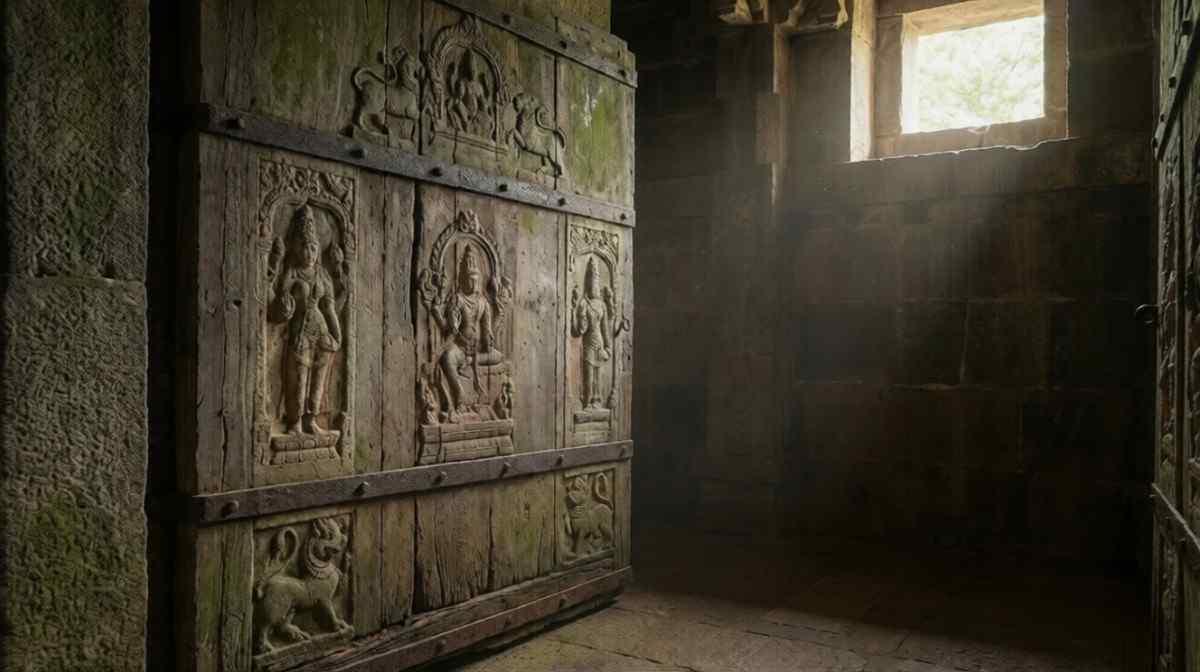
A legal petition started the modern search for wealth. It asked for more transparency in temple management. In 2011, the Supreme Court ordered an inventory. Investigators found six underground vaults. They named them Vaults A, B, C, D, E, and F.
Naming and Categorization of the Kallaras
Locals call these vaults kallaras. These are traditional underground storage areas.
- Vaults C, D, E, and F: Officials open these chambers often. They hold items for daily rituals and festivals.
- Vault A: This room stayed sealed for nearly 100 years. Its opening in 2011 revealed incredible wealth. It made the temple one of the richest in the world.
- Vault B: People call this the Mahabharata Kallara. It remains the biggest mystery. No one has fully inventoried it in modern times.
The vaults contain a Padmanabhaswamy Temple treasure. The expert committee found the scale of wealth startling.
What Was Found Inside the Opened Vaults?
The opened vaults held amazing ancient Indian temple wealth. Full details are still confidential. However, reports show the items have huge value. They are important for history and art.
Gold, Jewels, and Artifacts
- Sacred Statuary: Workers found a four-foot solid gold idol. It features many precious stones.
- Ornaments and Chains: The vaults hold thousands of gold chains. One chain is 18 feet long. Priests use it to dress the deity.
- Hoards of Coins: Sacks contain thousands of gold coins. Some come from Rome and Venice. Others are from the Napoleonic era. This proves Thiruvananthapuram was a major trade hub.
- Precious Stones: Rubies, emeralds, and diamonds are plentiful. Experts also found many Basra pearls.
These items show 2,000 years of skill. They are not just money. They are offerings from devotees. Some are small coins. Others are large gold sheaves.
The Temple Vault B Mystery
Five vaults are now documented. However, the Temple vault B mystery continues. This chamber is different from the others. Many believe it has a mystical seal.
The Serpent Seal and Cultural Beliefs
A cobra carving marks the door to Vault B. Many see this as a spiritual warning. The Travancore royal family shares this belief. They say a Naga Bandham protects the vault. This is a serpent noose. Only a great sage can open it safely. They must chant the Garuda Mantra correctly.
Legends say forcing the door is dangerous. It could cause natural disasters. In the 1930s, people tried to open the vault. Reports say deadly snakes appeared. The officials had to stop their work.
Legal and Religious Sensitivity
In 2011, priests performed an astrological consultation. They concluded that Vault B must stay shut. This protects the temple’s sanctity. The Supreme Court respects these feelings. The vault remains closed to honor tradition.
Why the Vaults Matter Beyond Wealth
People focus on the money in the vaults. Some reports say it is worth billions. However, the true value is heritage.
A Repository of History
The coin collections show India’s old trade links. We can see ties to Rome and the Dutch. The jewelry shows how Indian art changed. It covers over a thousand years of work.
Preserving Divine Devotion
Every item was a gift to the Lord. Preservation is not just about security. It is about honoring faith. Millions of people gave these gifts over centuries. We must protect their intent.
The Role of Faith in Protecting Temple Heritage
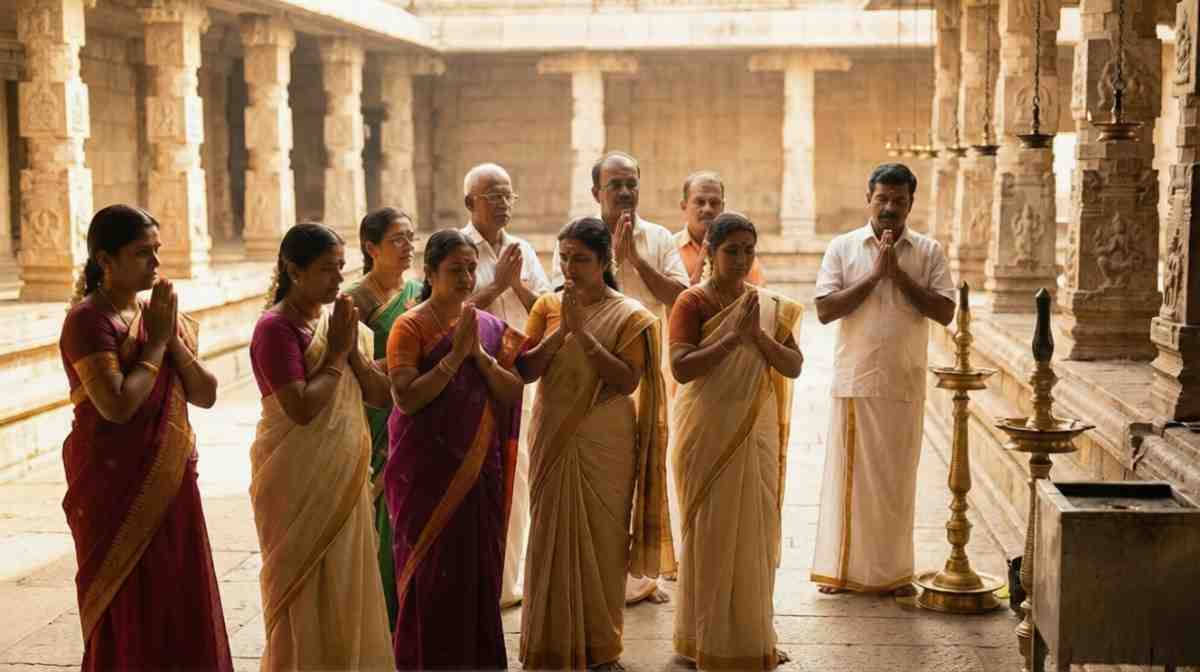
Faith protects these vaults. For centuries, the royal family lived near this wealth. They never tried to take it. This shows a great philosophy. The wealth belongs to the Divine. Humans are just humble guardians.
Modern worlds often focus on gain. This temple reminds us of belief. We must protect Hindu temple heritage India. By leaving Vault B shut, we show reverence. Some heritage is meant for worship, not just study.
